When the water stops,the real work starts.
A directory of IICRC-certified restoration contractors in your city. Free to search. No lead forms. No middlemen.
Finding the right restorer shouldn't mean fielding three unsolicited calls before 8am.
- Sell your contact info to the highest bidder.
- Send a subcontractor who has never been to your street.
- Pad the estimate with line items you can't challenge.
- Vanish once the first invoice clears.
- Rank by ad spend, not by craft or credentials.
- List IICRC-certified contractors by Google rating and profile depth.
- Show who's actually in your city — no ghost listings.
- Let you read reviews and credentials before you call.
- Never sell your contact information.
- Never accept pay-to-rank.
Four steps. No sales calls. No bait-and-switch.
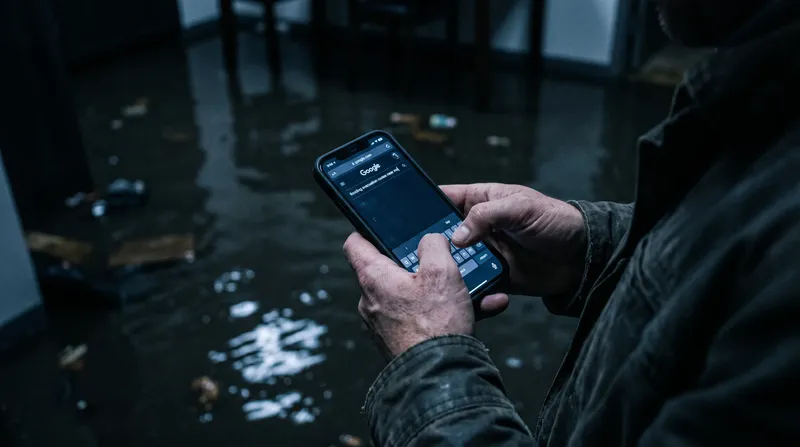
Tell us what happened
Start with your city and a brief description: burst pipe, appliance overflow, basement flooding, or storm intrusion. Context helps surface the right contractors first.

See IICRC-certified restorers nearby
A short, ranked list of restoration contractors actually licensed and operating in your area. Credentials shown. No out-of-state franchises padding the results.
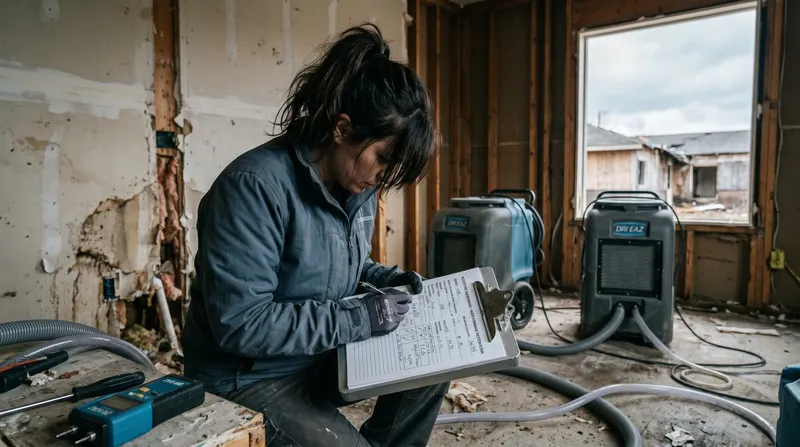
Get a scope and timeline
Every listed contractor carries real Google ratings and profile details. Read the reviews, check the credentials, understand their process — before you pick up the phone.
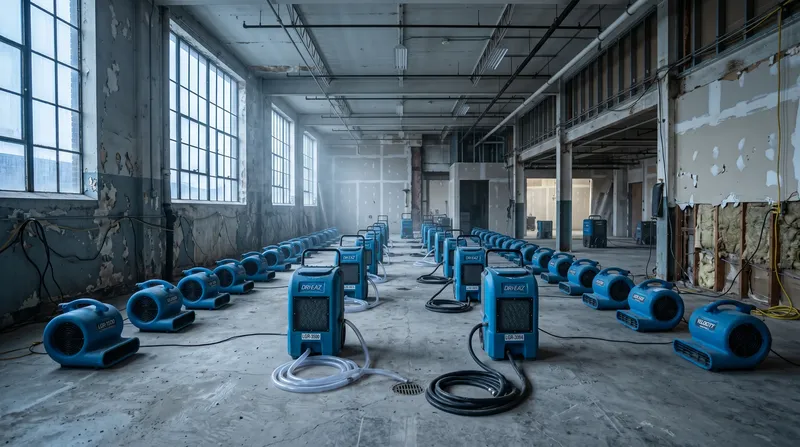
Start drying today
Reach out to two or three directly. Most IICRC-certified companies respond within the hour for active water events. You set the pace — no call-center in the middle.
Every restoration follows this arc. Restorefind shortens the gap between incident and recovery.
Find a restorer in your city.
We cover 252 US cities. Here are the most-covered markets.
"The contractor who cannot explain their drying protocol in plain English is the one to call back — after you've spoken to two others."
A plain-English field guide to choosing a restoration contractor. What to ask on the first call, what IICRC certification actually means, and which insurance red flags to watch for.
- What IICRC certification means and how to check it
- Reading a moisture assessment report
- How insurance-direct billing actually works
What to know before you call.
Most IICRC-certified companies are experienced with insurance-direct billing. You should still get your own estimate — some contractors inflate scopes when billing direct to carriers. Each profile notes whether insurance billing is offered.
The Institute of Inspection, Cleaning and Restoration Certification is the industry's primary credentialing body. IICRC-certified technicians have passed coursework in structural drying, mold remediation, and water damage assessment. It is the closest thing to a professional standard in this trade. You should care.
Response time depends on the contractor and your location. Established local companies often respond within one to two hours for active water events. Franchises with large territories can take longer. The profile page shows each contractor's typical service area.
Nothing. Browsing, searching, and reading profiles is free. We don't charge users, sell contact data, or take a referral fee from contractors.
We add cities as we expand and vet each new market. If you don't see coverage in your area yet, try the nearest metro — coverage boundaries often extend further than city limits suggest.
We add and refresh listings on a rolling basis as we expand into new markets and re-check Google ratings. There is no fixed schedule — but if a profile looks out of date, contact us and we'll review it.
No. We don't collect your contact information to sell it, we don't operate a call center, and we don't accept payment to boost a listing's position. Results are ordered primarily by real Google rating and review volume.
Mitigation is the emergency phase: stopping the source, extracting standing water, and setting up drying equipment. Restoration is the rebuild phase: replacing drywall, flooring, and finishes. Most contractors handle both; some specialize in one. Check the profile.
The faster the response, the less there is to rebuild.
Find a restorer in your city