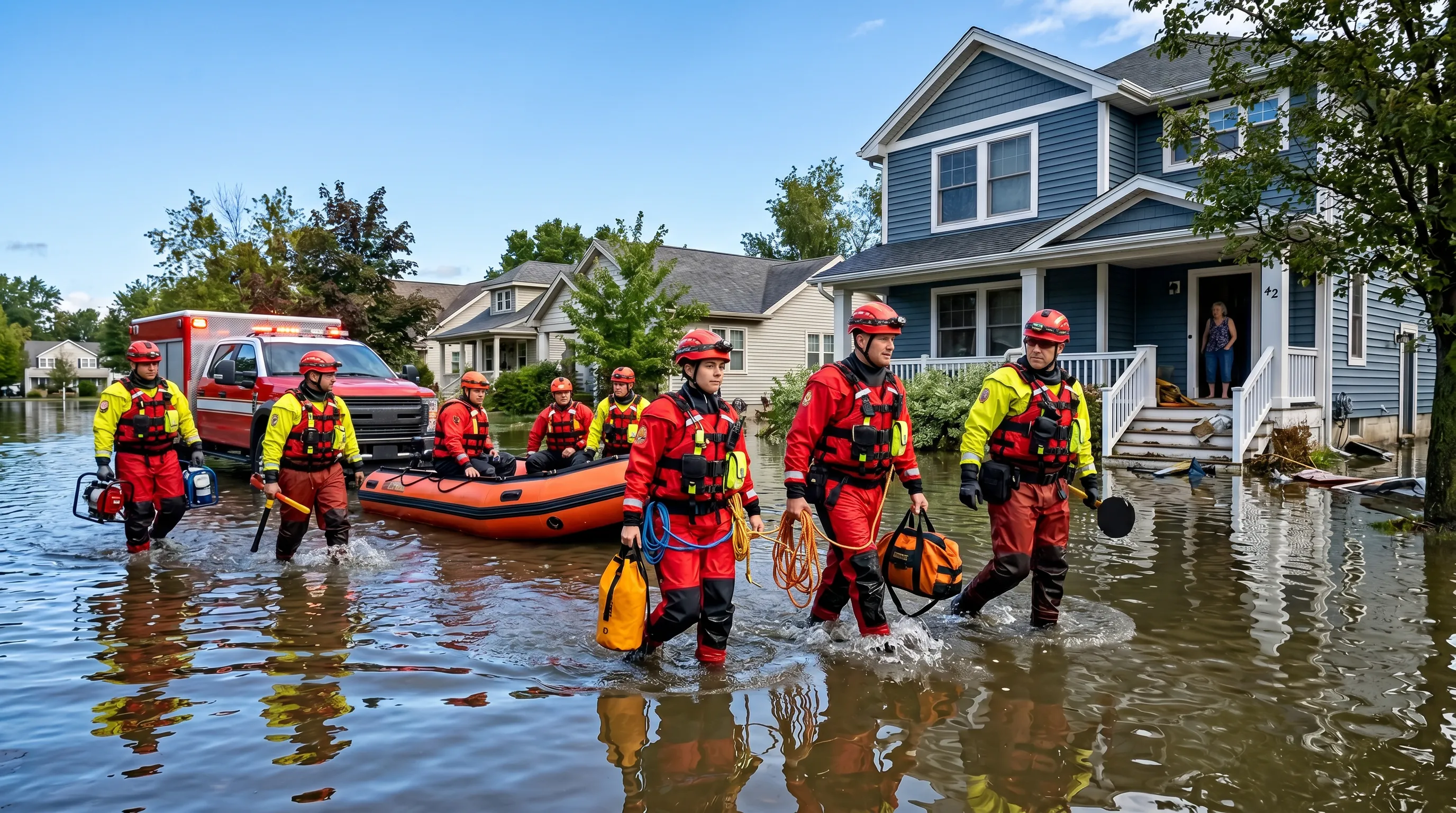
Water Damage Restoration professionals serving Austin, TX
Key Takeaways
•Austin has 15 listed water damage restoration professionals with an exceptional average rating of 4.9 out of 5 stars, meaning you have strong options — but knowing how to evaluate them still matters.
•The top-rated company in Austin is Voda Cleaning & Restoration of West Austin, holding a perfect 5.0-star rating across 126 reviews — a meaningful sample size that reflects consistent service quality.
Water damage restoration in Austin typically costs between $1,200 and $5,600, with jobs skyrocketing after major flash flood events or the kind of hard freeze Austin experienced in 2021, when simultaneous pipe bursts created city-wide demand surges.
•
•Austin's humid subtropical climate and its position in Central Texas's flash flood alley make water intrusion a year-round risk — not just a seasonal one — and response time within 60 minutes is the industry standard you should demand.
•All listed businesses in Austin offer direct phone contact, which matters enormously in a water emergency where every hour of standing water increases structural damage and mold risk exponentially.
Water Damage Restoration in Austin: What You Need to Know
Austin's identity as a booming tech hub and live music capital sometimes obscures a less glamorous reality: the city sits in one of the most flood-prone regions in the United States. Barton Creek, Shoal Creek, and the Colorado River regularly overflow during heavy rainfall events, and the Texas Hill Country to the west acts as a funnel that channels enormous volumes of water into the Austin metro with very little warning. The National Weather Service has documented flash flood emergencies in Austin more frequently than in almost any other major American city, and with a population now approaching 980,000 people — many of them in newer developments built on previously undeveloped floodplains — the exposure is only growing. This is not a city where water damage is an edge-case scenario. It is a when, not an if, for a meaningful percentage of Austin homeowners and business owners every year.
What makes Austin's water damage landscape particularly complex is the dual threat profile. On one hand, you have the flash flooding that can overwhelm foundations, pour through garage doors, and saturate crawl spaces within minutes. On the other hand, the city has virtually no infrastructure hardened for sustained freezing temperatures. When a winter storm event strikes — as it did catastrophically in February 2021 — pipes that were never insulated for prolonged cold snap and burst by the thousands across the metro simultaneously. That event alone generated a demand surge that overwhelmed restoration capacity across the city for weeks. Understanding this dual risk is essential to appreciating why having a relationship with a rated local restoration company before you need one is a genuine strategic advantage.
Across the 15 listed water damage restoration professionals in Austin, the average rating stands at 4.9 out of 5 stars — a figure that reflects real competitive pressure in this market. Austin homeowners are not passive consumers; they leave detailed reviews, they compare providers, and they hold contractors accountable. The result is a local market where underperforming companies do not last. The professionals who have built top ratings here have done so against a knowledgeable, demanding customer base, which gives those ratings more signal value than you might find in smaller or less competitive markets.
Austin Local Tip: If you live in the Onion Creek, Walnut Creek, or Shoal Creek drainage areas, you are in statistically elevated flash flood zones. The City of Austin's Flood Early Warning System (FEWS) operates a network of sensors across these watersheds — sign up for free alerts at austintexas.gov so you have maximum lead time before water reaches your property. Those extra 20–30 minutes can mean the difference between moving valuables to high ground and losing them entirely.
How Much Does Water Damage Restoration Cost in Austin?
The typical cost range for water damage restoration in Austin runs from $1,200 to $5,600, but that range requires meaningful context to be useful. At the lower end, you are generally looking at a contained, Category 1 (clean water) loss — a supply line failure under a sink, a toilet supply valve that failed while someone was home, or a small roof leak caught within 24 hours. These jobs involve limited square footage, minimal drying time, and no contamination concerns. At the upper end of the range, you are looking at Category 2 or Category 3 losses — gray water from appliance failures, sewer backups, or floodwater intrusion — that have affected multiple rooms, penetrated wall cavities, or soaked subfloor materials. Beyond $5,600, you are typically in reconstruction territory, where damaged drywall, flooring, and structural members must be replaced after drying is complete.
In Austin specifically, a few factors push costs toward the higher end of the range or beyond it. First, the city's construction boom over the past decade means a significant portion of the housing stock uses engineered wood products — LVP flooring, OSB subfloor, engineered joists — that absorb and retain moisture differently than solid wood or concrete, often requiring more aggressive drying protocols. Second, Austin's humidity (annual average relative humidity hovers around 68%) means ambient moisture in the air actively works against the drying process, requiring more desiccant and refrigerant dehumidifier capacity on every job. Third, during surge events — major storms, freeze events — material and labor costs spike due to demand. If you are calling for service in the 72 hours after a major weather event, expect quotes to reflect that reality.
Service
Low Estimate
High Estimate
Notes
Category 1 — Clean Water (supply line, appliance overflow)
Low$1,200
High$2,400
Fastest drying profile. Common cause: dishwasher lines, toilet supply valves, ice maker connections. Austin's slab-on-grade construction can complicate detection under floors.
Category 2 — Gray Water (washing machine, HVAC condensate, minor flooding)
Low$2,200
High$3,800
Requires antimicrobial treatment in addition to drying. Austin's high humidity extends drying timelines compared to drier Texas climates like El Paso or Lubbock.
Category 3 — Black Water (sewage backup, floodwater intrusion)
Low$3,200
High$5,600
Full containment, PPE protocols, and biohazard disposal required. Flash flood events in Onion Creek and Shoal Creek drainage areas frequently produce Category 3 scenarios.
Frozen/Burst Pipe Response (winter storm events)
Low$1,800
High$5,600
Highly variable based on pipe location and duration before detection. Austin homes rarely have insulated pipes for sustained sub-freezing temps, making losses more severe than comparable northern markets. Surge pricing common during city-wide freeze events.
Money-Saving Tip for Austin Homeowners: Before the restoration company arrives, document everything with video — walk through every affected room, open affected cabinets, and narrate what you see. Texas has strong homeowner protections under the Texas Insurance Code, and thorough pre-remediation documentation is your single most powerful tool for a full insurance claim reimbursement. Also, ask your restoration company specifically whether they work directly with your insurance carrier on billing — many of the top-rated Austin providers do, which eliminates out-of-pocket float time and reduces your administrative burden during an already stressful event.
How to Choose the Right Water Damage Restoration
5 Questions to Ask Before Hiring
Are your technicians IICRC-certified, and which specific certifications do they hold? The right answer is yes, with at minimum Water Damage Restoration Technician (WRT) certification. IICRC stands for Institute of Inspection Cleaning and Restoration Certification — it is the industry's primary credentialing body. In Austin's competitive market, top-rated companies will have multiple certified technicians and often hold Applied Structural Drying (ASD) certification as well. Any hesitation or vagueness on this question is disqualifying.
What is your guaranteed response time in the Austin metro, and do you have 24/7/365 availability? The right answer is 60 minutes or less, around the clock, including holidays. Water damage follows no schedule, and the microbial clock starts ticking the moment materials become wet. Austin's traffic — particularly on I-35 and MoPac during peak hours — is a real variable, so ask specifically about their dispatch location and whether they have multiple crews positioned across the metro.
Will you provide a written scope of work and a moisture mapping report before and after the job? The right answer is yes to both. A written scope protects you contractually. Moisture mapping — using thermal imaging cameras and pin/pinless moisture meters to document baseline readings and drying progress — is the professional standard. If a company proposes to dry your home without systematic moisture documentation, they cannot prove they finished the job correctly, and neither can you for your insurance claim.
Do you handle direct insurance billing, and have you worked with major carriers active in Austin (State Farm, USAA, Farmers, Allstate, Texas Farm Bureau)? The right answer is yes, with demonstrable experience. The Austin insurance market has significant USAA penetration due to proximity to Fort Hood and Randolph Air Force Base military communities, and Texas Farm Bureau is a major carrier in surrounding suburban and rural areas. A company with established relationships with these carriers will move your claim faster and negotiate more effectively on scope.
What is your mold prevention protocol, and at what point do you escalate to mold remediation? The right answer should include application of EPA-registered antimicrobial agents during the drying phase, a defined threshold (typically elevated moisture readings after 48–72 hours) that triggers escalation, and the ability to perform mold testing and remediation in-house or through a clearly defined partner. In Austin's humid subtropical climate, the window between water intrusion and viable mold growth is shorter than in drier markets — 24 to 48 hours under the right temperature conditions — so this is not a theoretical question.
Red Flags When Hiring Water Damage Restoration
Red Flags to Watch For When Hiring in Austin:
Storm chasers and out-of-state contractors: After major Austin flood events or freeze storms, contractors from out of state flood into the market with no local track record, no established insurer relationships, and no accountability once they leave. Always confirm a local, permanent business address and check for a Texas state presence.
Demanding full payment or a large cash deposit upfront: Legitimate restoration companies work within the insurance billing framework and do not require you to front the full job cost before work begins. Requiring large cash deposits before any work is a common fraud pattern that spikes after Austin weather events.
No written estimate or scope of work: Any contractor who begins drying equipment placement without providing a written scope — even a preliminary one — is operating outside professional standards. Verbal agreements leave you with no recourse if the final bill bears no relationship to what was discussed.
Inability to name their IICRC certifications or produce documentation: In a market where 15 listed professionals average 4.9 stars, the bar is high. Any company that deflects, changes the subject, or cannot name specific certifications when asked directly should be passed over for one that can.
Pressure to sign an Assignment of Benefits (AOB) agreement immediately: While AOB arrangements exist legitimately, being pressured to sign one before you have reviewed your policy or spoken with your insurance adjuster is a red flag. Texas law has specific provisions around AOB, and signing under pressure without understanding the terms can complicate your claim significantly.
Top-Rated Water Damage Restoration in Austin
Among the 15 listed water damage restoration professionals in Austin, five companies have achieved perfect 5.0-star ratings — a remarkable concentration of top-tier performers in a single metro market. The standout by review volume is Voda Cleaning & Restoration of West Austin, which holds its 5.0-star rating across 126 reviews. In the restoration industry, maintaining a perfect rating at that review count is genuinely difficult; the statistical noise of a diverse customer base — varying job types, complexity levels, insurance complications, and homeowner stress levels — typically pulls ratings down over time. That Voda West Austin has maintained 5.0 across 126 reviews signals either exceptionally consistent operational execution or an unusually effective customer service recovery process, likely both.
All Nation Restoration has the largest review base of any 5.0-rated provider in the Austin market, with 304 reviews at a perfect rating. That volume of feedback at that rating level is a strong signal of operational scale and consistency — this is a company that has handled enough volume to encounter difficult jobs, difficult claims, and difficult conditions, and has still maintained a flawless public record. PuroClean brings a nationally recognized brand and franchise support structure to their Austin operation, with 190 reviews at 5.0 stars — the combination of corporate-level training and protocols with local market presence is a meaningful operational advantage in a market with Austin's complexity. Titan Water Damage Austin and Austin Water Removal & Restoration round out the perfect-rated group, with 14 and 6 reviews respectively — lower sample sizes, but their perfect ratings indicate strong early-stage performance worth monitoring as their review bases grow.
When selecting among these providers, match the company's profile to your specific situation. For complex, multi-room losses with significant insurance claims, the higher review volumes at All Nation Restoration and PuroClean suggest more reps at that job complexity level. For West Austin-specific geography — the Westlake, Tarrytown, and Rollingwood areas — Voda Cleaning & Restoration of West Austin's local focus may mean faster response times and better familiarity with the older housing stock and hillside drainage patterns common in those neighborhoods.
Company
Rating
Reviews
Best For
Voda Cleaning & Restoration of West Austin
5.0★
126
West Austin homeowners, high-review-count confidence, consistent track record across diverse job types
All Nation Restoration
5.0★
304
Largest rated sample size in the Austin market — best choice when you want maximum track record evidence for complex, high-value claims
PuroClean
5.0★
190
Homeowners who value national brand protocols and training standards combined with strong local Austin ratings and insurance carrier familiarity
Titan Water Damage Austin
5.0★
14
Emerging provider with perfect early ratings — strong option for straightforward Category 1 or Category 2 losses where responsiveness and price competitiveness matter
Austin Water Removal & Restoration
5.0★
6
Early-stage but perfect-rated local option — best evaluated with direct conversation about certifications, equipment inventory, and insurer relationships before committing
Seasonal Guide for Austin
Austin's humid subtropical climate creates distinct seasonal water damage risk profiles that every property owner in the metro should understand operationally — not just abstractly.
Spring (March–May) is Austin's highest-risk season for flash flooding. The combination of Gulf moisture pushing north from the coast, cold fronts dropping out of the Rockies, and the Hill Country's shallow, rocky soil that produces fast, violent runoff creates conditions for the rain events that have historically produced Austin's worst flood disasters. The Memorial Day 2015 and Halloween 2013 floods both struck during this window. During spring, property owners in designated flood zones should have their restoration provider's number saved in their phone, know where their main water shutoff is, and have a battery-operated sump pump ready if their property has any below-grade space.
Summer (June–August) brings a different threat profile. Austin's extreme heat — sustained periods above 100°F are common — puts maximum stress on HVAC systems, and condensate drain line clogs are the number-one cause of water damage calls in Austin from June through August. A blocked condensate line on an air handler in an attic can dump gallons of water through ceilings and into wall cavities before it is detected. Monthly condensate line inspection during cooling season is a trivial maintenance task that prevents thousands of dollars in damage. This is also when roof-mounted equipment failures, skylight seal failures, and attic duct condensation issues peak.
Fall (September–November) represents a transitional risk period. Late-season tropical systems that lose steam over the Gulf can still deliver significant rainfall totals to the Austin area, and this is also when deferred maintenance on gutters and downspouts — clogged over summer — manifests as foundation and basement water intrusion when the first heavy fall rains arrive. Clearing gutters before the fall rain season begins is one of the highest-ROI preventive maintenance actions an Austin homeowner can take.
Winter (December–February) is Austin's wildcard season. The city's pipe infrastructure was designed for a climate that averages only a handful of freezing nights per year, and when extended freeze events occur — as they do periodically, and as climate modeling suggests will continue — the damage profile is severe. Properties built before 2000 are particularly vulnerable, as building codes did not require pipe insulation standards appropriate for sustained freezing. Exterior hose bibs, pipes running through exterior walls, and garage-adjacent supply lines are the highest-risk failure points. Before the first freeze forecast of each winter, wrapping exterior pipes and disconnecting hose connections is essential. During a multi-day freeze event, allowing interior faucets to drip slowly and keeping cabinet doors under sinks open to allow heated air circulation around pipes are both effective mitigation measures. If you are traveling during winter months, do not set your thermostat below 55°F, and consider a smart water shutoff device that can detect abnormal flow rates indicative of a burst pipe.
A note on demand surges: Austin's restoration market has demonstrated during past events — most dramatically in February 2021 — that city-wide simultaneous damage events can overwhelm local capacity for days to weeks. During those windows, response times extend far beyond the 60-minute standard, and the advantage goes to property owners who already have a relationship with a top-rated provider. Some Austin restoration companies offer priority response programs or maintenance agreements that place you at the front of the queue during surge events — worth asking about proactively.
Frequently Asked Questions
How quickly does mold start growing after water damage in Austin?
In Austin's humid subtropical climate, mold can begin to colonize wet building materials in as little as 24 to 48 hours under favorable conditions — and Austin's warm temperatures for much of the year create favorable conditions most of the time. This is meaningfully faster than the 48–72 hour window often cited for cooler, drier climates. The practical implication is that the emergency response window in Austin is shorter than the national average. If you detect water damage, the goal is to have drying equipment running within hours, not the following morning. This is why the 60-minute response time standard matters so much in this specific market. Do not wait to call; do not wait to start extraction. Every hour of standing water in an Austin home during the warmer months is compounding your eventual remediation cost.
Will my homeowner's insurance cover water damage from Austin's flash floods?
This is one of the most important and most misunderstood questions in the Austin market. Standard homeowner's insurance policies in Texas cover sudden and accidental water damage — a burst pipe, an appliance overflow, a roof failure during a storm — but they explicitly exclude flood damage. Flood damage, defined as water that enters your home from an outside source (rising creeks, street flooding, stormwater inundation), is covered only by a separate flood insurance policy, typically written through FEMA's National Flood Insurance Program (NFIP) or a private flood insurer. Given that Austin sits in documented flash flood alley, the gap between what people assume their homeowner's policy covers and what it actually covers is a source of enormous financial pain after major events. Check your policy declarations page now, before you need it. If you are in a FEMA-designated Special Flood Hazard Area (Zone AE or Zone AO on Austin's flood maps), flood insurance is worth serious consideration regardless of whether your lender requires it.
Find Water Damage Restoration Professionals in Austin
Browse top-rated contractors, compare reviews, and get free quotes.
What does IICRC certification mean, and why does it matter when hiring in Austin?
IICRC stands for the Institute of Inspection Cleaning and Restoration Certification. It is the primary credentialing organization for the restoration industry in the United States and globally. IICRC certifications — including Water Damage Restoration Technician (WRT), Applied Structural Drying (ASD), and Applied Microbial Remediation Technician (AMRT) — require both coursework and examination, and certified technicians must maintain continuing education to keep their credentials current. Why does this matter practically? Because IICRC standards define what a properly performed restoration job looks like — drying targets, moisture readings, documentation requirements, equipment placement protocols. A non-certified technician may place fans in a room and declare the job done without ever measuring whether wall cavities or subfloor materials actually reached acceptable moisture content. In Austin's humid climate, that kind of incomplete drying virtually guarantees a secondary mold problem within weeks. Asking for IICRC certification is not bureaucratic box-checking; it is how you distinguish professionals from equipment renters.
How long does water damage restoration typically take in an Austin home?
The drying phase of a properly executed water damage restoration in Austin typically takes three to five days for a standard Category 1 or Category 2 loss, though Austin's ambient humidity can push that toward five to seven days without adequate commercial drying equipment. This is the phase where industrial air movers and dehumidifiers run continuously — expect the equipment to be loud and the house to be warm. The restoration company should be monitoring moisture readings at defined intervals (typically daily) and not removing equipment until target moisture levels are met throughout affected materials, not just at the surface. If a technician wants to pull equipment after one or two days without documented moisture readings confirming completion, push back. Reconstruction — replacing drywall, flooring, cabinetry, and other damaged building materials — is a separate phase that happens after drying is complete and can range from several days to several weeks depending on scope. The total timeline from event to fully restored is commonly two to six weeks for mid-range losses.
What should I do in the first 30 minutes after discovering water damage in my Austin home?
The actions you take in the first 30 minutes after discovering water damage have an outsized impact on both the severity of the damage and the strength of your eventual insurance claim. First, ensure safety: if there is any possibility that water has reached electrical panels, outlets, or appliances, do not enter the affected area and shut off the main electrical breaker to the affected zone from a dry location. Second, stop the source if you safely can — shut off the main water supply to your home (know where this valve is before you need it; in Austin's slab-on-grade homes, it is typically near the street at the meter). Third, call your water damage restoration company immediately — in Austin's climate, the clock is running, and top-rated companies offer 24/7 response. Fourth, call your insurance company or your agent to open a claim, but do not wait for their authorization before initiating professional drying — most policies require you to take reasonable steps to mitigate further damage, and waiting is not considered reasonable. Fifth, document everything on video before anything is moved or removed. Walk every affected room, narrate what you see, capture timestamps. That documentation will be central to your claim settlement.