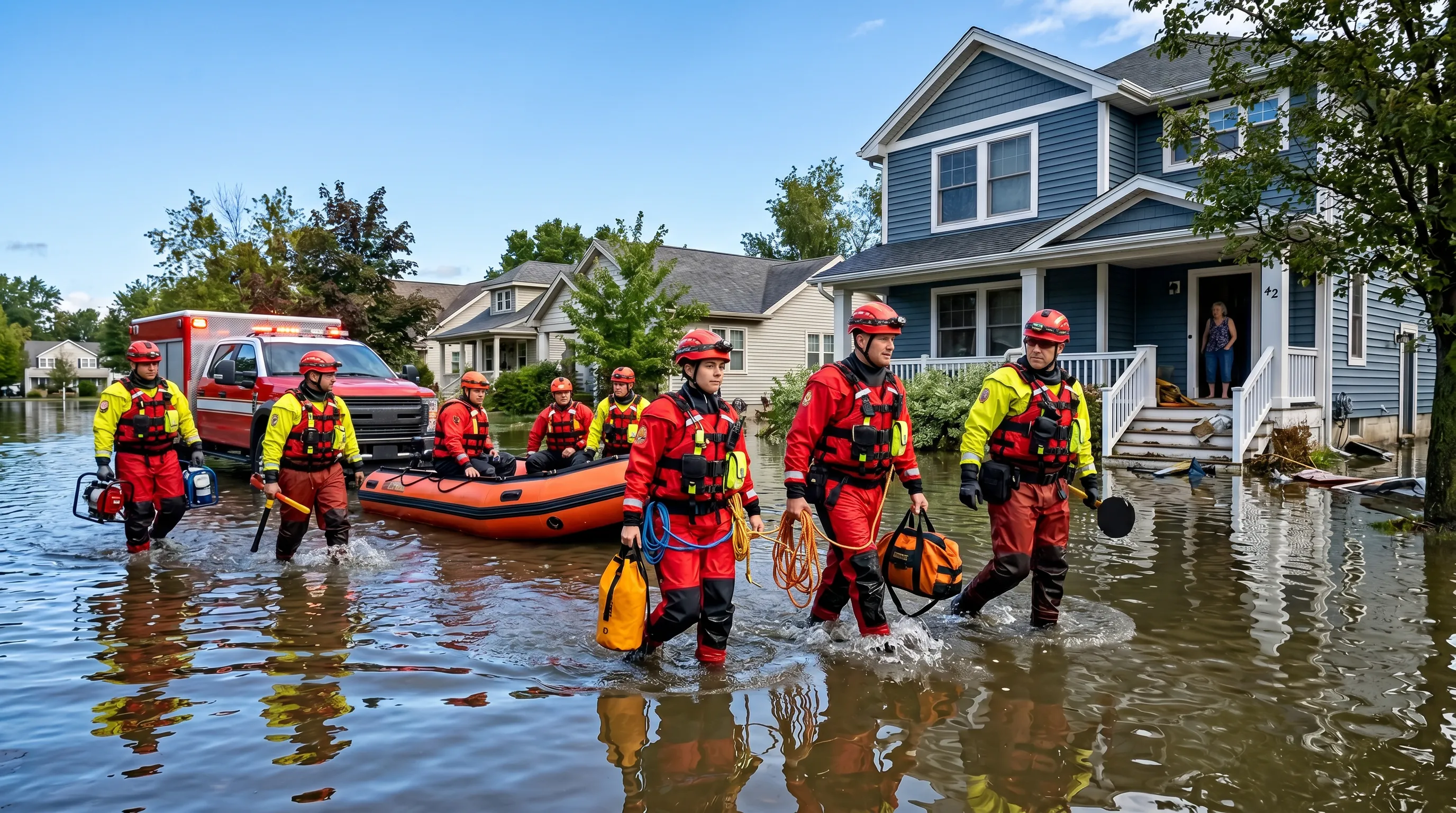
Water Damage Restoration professionals serving Denver, CO
Key Takeaways
•Denver has 20 listed water damage restoration professionals with an outstanding average rating of 4.9 out of 5 stars, giving homeowners a strong pool of qualified options to choose from.
•The top 5 rated companies in Denver — including FIX Flood & Water Damage Pros (261 reviews) and Water Damage, Inc. (202 reviews) — all hold perfect 5.0-star ratings, reflecting consistently high service quality across the market.
Typical water damage restoration costs in Denver range from $1,200 to $5,600, with variables like Denver's hard water mineral buildup, basement flooding from snowmelt, and hail-driven roof leaks pushing costs toward the higher end.
•
•Denver's semi-arid climate and dramatic temperature swings — sometimes 50°F in a single day — make pipe freeze-and-burst events a leading cause of indoor water damage every winter, requiring providers who understand cold-climate restoration.
•Every listed water damage restoration business in Denver offers direct phone contact, and you should expect any reputable provider to offer a response time of 60 minutes or less — a non-negotiable standard given how rapidly water damage escalates.
Water Damage Restoration in Denver: What You Need to Know
Denver sits at 5,280 feet above sea level in a semi-arid climate that most people associate with sunshine and dry air — not water damage. But that reputation is misleading. Denver's Front Range location makes it one of the more challenging environments in the country for residential and commercial water systems. The city experiences violent hailstorms from late spring through early fall, with the Colorado hail season consistently producing some of the largest hailstones recorded in the United States. A single hail event can compromise roof membranes, damage flashing, and crack skylights — all of which create pathways for water intrusion that may not become visible inside a home for days or even weeks after the storm. Combine that with Denver's notorious rapid temperature swings, where a warm afternoon can be followed by a hard freeze overnight, and you have conditions that are uniquely stressful on building envelopes and plumbing systems alike.
With a population of 715,000 and a housing stock that ranges from century-old Victorian bungalows in neighborhoods like Park Hill and Curtis Park to modern high-rise condominiums in the LoDo and RiNo districts, the types of water damage Denver restoration professionals encounter are extraordinarily varied. Older homes frequently suffer from failing clay sewer lines, lead or galvanized steel supply pipes, and inadequate vapor barriers in crawl spaces. Newer construction, particularly the wave of condos and townhomes built in the 2010s, has seen a surge in claims related to improperly installed washing machine connections, failed shower pan liners, and HVAC condensate line backups. Denver's booming real estate market has also led to a proliferation of finished basements — a major vulnerability when spring snowmelt or summer monsoon rains overwhelm municipal storm drains. Understanding which type of damage you are dealing with, and which provider has direct experience with that damage category, is the foundation of making a smart hiring decision.
The Denver water damage restoration market currently includes 20 listed professionals, and the average rating across those businesses stands at 4.9 out of 5 stars — a remarkably high baseline that reflects genuine competition and consumer accountability in this market. All 20 listed businesses offer direct phone contact, which matters enormously in emergency situations where every minute of delayed response translates to additional structural saturation, elevated mold risk, and higher remediation costs. IICRC certification is the industry's gold standard credential and should be a baseline requirement when evaluating any provider in this market. The Institute of Inspection, Cleaning and Restoration Certification sets the technical protocols — from moisture mapping to drying validation — that separate professional remediation from surface-level cleanup.
Denver Local Tip: Because Denver sits at high altitude with low relative humidity, water damage can appear to dry quickly on the surface — but structural materials like subfloor OSB, wall cavity insulation, and framing lumber retain moisture far longer than they would at lower elevations. This creates a false sense of security and is a leading cause of mold growth that surfaces weeks after an incident. Always insist your restoration provider uses calibrated moisture meters and thermal imaging cameras to document drying progress across multiple days before declaring a structure dry.
How Much Does Water Damage Restoration Cost in Denver?
Water damage restoration in Denver typically runs between $1,200 and $5,600 for residential projects, though complex losses — particularly those involving Category 3 contaminated water (sewage backups, floodwater with debris) or extensive mold remediation — can push well beyond that range. The wide spread exists because cost is driven by three primary factors: the category of water involved, the square footage affected, and how long the water was present before mitigation began. In Denver specifically, several local conditions systematically push costs higher. The city's hard water — sourced largely from mountain snowmelt that picks up minerals as it moves through aging infrastructure — accelerates corrosion in supply lines, meaning water damage events are sometimes preceded by years of slow deterioration that weakens adjacent building materials. When a pipe finally fails in a Denver home, the surrounding drywall, insulation, and framing are often already compromised, requiring more aggressive removal than a comparable failure in a newer system. Additionally, labor costs in the Denver metro have risen sharply alongside the broader cost of living, and the post-pandemic surge in construction activity means restoration crews and subcontractors operate in a tight labor market.
Seasonal timing also affects pricing in a practical sense. Denver's peak water damage season — driven by frozen pipe thaws in late winter and hail-driven roof leaks in summer — creates periods of extremely high demand where response times stretch and some contractors add surge pricing. Scheduling non-emergency work (such as post-incident mold testing or cosmetic repairs after structural drying is complete) during shoulder seasons like October or early December can reduce costs. Homeowners should also understand that standard Colorado homeowners insurance policies typically cover sudden and accidental water damage but exclude gradual leaks, sewer backup, and surface flooding — each of which requires separate endorsements or flood insurance through the National Flood Insurance Program. Getting a detailed scope of work from your restoration provider before the insurance adjuster visits is one of the most important cost-control steps a Denver homeowner can take.
Service
Low Estimate
High Estimate
Notes
Emergency Water Extraction & Initial Mitigation
Low$1,200
High$2,000
Covers standing water removal, initial moisture mapping, and placement of drying equipment. Common for burst pipe events in Denver's winter freeze season.
Includes industrial air movers, dehumidifiers, and daily moisture monitoring over 3–5 days. Higher end reflects larger affected areas typical of Denver basement flooding scenarios.
Mold Remediation (Post-Water Damage)
Low$1,500
High$4,000
Denver's low humidity can mask mold growth in wall cavities. Cost depends on square footage and containment requirements. Separate from restoration costs.
Complete Water Damage Restoration (Extraction + Drying + Rebuild)
Low$3,500
High$5,600
Full-scope projects including content pack-out, structural drying, demolition of non-salvageable materials, and reconstruction. Typical for hail-related roof intrusion or major pipe failures affecting multiple rooms.
Denver Money-Saving Tip: Before signing any authorization with a restoration company, request an itemized estimate that separates mitigation costs (extraction, drying) from reconstruction costs (drywall, flooring, paint). In Colorado, your insurance carrier must process these as separable line items, and getting competitive bids on the reconstruction phase alone — after mitigation is complete — can save Denver homeowners $800 to $2,000 on a mid-size claim. Also ask your provider whether they offer direct insurance billing, which eliminates the need for you to front restoration costs while waiting for claim reimbursement.
How to Choose the Right Water Damage Restoration
5 Questions to Ask Before Hiring
Are your technicians IICRC-certified, and can you provide documentation? The right answer is yes, with certificates available on request. IICRC certification in Water Damage Restoration (WRT) and Applied Structural Drying (ASD) means technicians follow the industry standard IICRC S500 protocol — not improvised methods. In Denver's complex climate, this credential is the difference between a properly dried structure and a mold problem six weeks later.
What is your guaranteed response time for emergency calls in the Denver metro area? The right answer is 60 minutes or less. Water damage escalates rapidly: within the first hour, drywall begins absorbing moisture and swelling; within 24 hours, microbial growth becomes a serious risk. Any provider who cannot commit to a sub-60-minute response to Denver addresses — including outlying neighborhoods like Stapleton, Montbello, or Green Valley Ranch — should not be your first call.
Do you use thermal imaging cameras and calibrated moisture meters throughout the drying process, and will you provide a written drying log? The right answer is yes to both. In Denver's low-humidity environment, surface readings can appear dry while wall cavities remain saturated. A written drying log with daily moisture readings is your documentation that the job was completed to standard — and it is essential if you ever need to make a mold-related insurance claim down the road.
Will you work directly with my insurance company, and do you have experience with Colorado homeowners insurance claims? The right answer is yes, with a designated insurance coordinator on staff. Colorado's insurance market has specific nuances — particularly around hail damage riders and water backup endorsements — and a provider experienced with local carriers like USAA, State Farm Colorado, and Farmers Colorado will navigate the claims process more efficiently and reduce the risk of underpayment.
Can you provide local references from Denver customers with similar damage types, and are your online reviews from documented local projects? The right answer is yes, with at least 3 verifiable local references or a substantial review history on Google or similar platforms. Volume of reviews matters: a company with 200+ Denver-specific reviews across multiple years demonstrates consistent performance, not a single good run. Pay attention to how the company responds to negative reviews — professional, solution-oriented responses indicate a business that takes accountability seriously.
Red Flags When Hiring Water Damage Restoration
Red Flags to Watch For When Hiring in Denver:
Storm chasers with out-of-state plates and no local business address: After major Denver hailstorms, out-of-state restoration crews flood the metro area, often operating without Colorado contractor registration or local liability coverage. Always confirm the company has a Denver-area physical office and can produce a current Colorado contractor license number before signing anything.
Pressure to sign an Assignment of Benefits (AOB) form immediately: Some Denver contractors present AOB paperwork at the door before even assessing the damage, legally transferring your insurance claim rights to them. Colorado law permits AOB agreements, but signing before you understand the full scope of damage removes your negotiating leverage and can result in inflated claims that complicate your coverage history.
Refusal to provide a written scope of work or itemized estimate: Any legitimate restoration provider can produce a line-item estimate using Xactimate or similar industry-standard estimating software. A vague 'flat rate' quote for water damage restoration — especially before moisture mapping is complete — is a serious warning sign.
No mention of IICRC standards or certification during the initial conversation: Restoration is a technical discipline with established protocols. If a technician cannot reference IICRC S500 standards, Applied Structural Drying methodology, or psychrometric calculations during your intake conversation, they may be approaching your home's drying as guesswork rather than science.
Guarantees of specific insurance payout amounts before the adjuster has visited: Some aggressive contractors in the Denver market promise homeowners they will 'get the maximum from your insurance' and name specific dollar figures before any formal assessment. This practice can constitute insurance fraud and puts the homeowner — not just the contractor — at legal risk.
Top-Rated Water Damage Restoration in Denver
Among the 20 listed water damage restoration professionals in Denver, five companies have achieved perfect 5.0-star ratings — a distinction that carries real weight when you examine the review volumes behind those ratings. Good Water Damage Restoration Denver holds a 5.0-star rating across 27 reviews, making it the top-rated company by rating in the Denver directory. While its review count is smaller than some competitors, a perfect rating across 27 documented projects reflects a business operating with consistent precision — particularly meaningful in a market where even a single mishandled job tends to generate a strongly negative review. For homeowners who prioritize a boutique, highly attentive service experience, this company warrants serious consideration.
FIX Flood & Water Damage Pros stands out with a 5.0-star rating backed by 261 reviews — the highest review volume among the top-rated companies in Denver. This combination of perfect rating and high review count is statistically significant: maintaining a 5.0 average across hundreds of projects means the company has not just had a good run, but has built and sustained operational systems that produce excellent outcomes repeatedly. This is the kind of track record that matters most for complex, high-stakes jobs like Category 3 sewage events or large-scale basement flooding.
Water Damage, Inc. carries a 5.0-star rating across 202 reviews, placing it among the most extensively documented restoration providers in Denver. With over 200 reviews reflecting a broad cross-section of Denver's neighborhoods and damage types, this company's rating represents a reliable signal of consistent quality at scale. Advanced 24/7 Restoration holds a 5.0-star rating with 189 reviews, and its name signals the around-the-clock emergency response capability that is non-negotiable for Denver's winter pipe-freeze season, when calls typically spike between 2 and 6 a.m. United Water Restoration Group of Denver NW rounds out the top five with a 5.0-star rating and 87 reviews, offering strong coverage for the northwest Denver and Jefferson County corridor — a geographically important service area that includes older suburban neighborhoods with aging infrastructure and significant freeze-thaw exposure.
The overall market average of 4.9 stars across all 20 listed professionals reflects a genuinely competitive and high-performing local market. Denver homeowners are not making trade-offs between quality and availability — there are multiple top-tier options available, and the decision should ultimately come down to response time to your specific address, experience with your specific damage type, and demonstrated familiarity with your insurance carrier.
Company
Rating
Reviews
Best For
Good Water Damage Restoration Denver
5.0★
27
Homeowners seeking highly attentive, precision-focused service with a perfect track record; ideal for sensitive or high-value property restoration in Denver
FIX Flood & Water Damage Pros
5.0★
261
Large-scale or complex water damage events requiring a high-volume, systems-driven provider with the most extensively documented perfect rating in Denver
Water Damage, Inc.
5.0★
202
Homeowners who want broad Denver-area coverage and a deeply proven track record across diverse damage categories and neighborhoods
Advanced 24/7 Restoration
5.0★
189
Emergency pipe burst and freeze events requiring true around-the-clock response; strong choice for Denver's winter season when damage occurs overnight
United Water Restoration Group of Denver NW
5.0★
87
Northwest Denver, Wheat Ridge, Arvada, and Jefferson County residents needing a top-rated provider with strong coverage of the metro's northwest corridor
Seasonal Guide for Denver
Denver's water damage risk profile shifts significantly across the four seasons, and understanding the seasonal calendar is one of the most practical things a Denver homeowner or property manager can do to reduce both the likelihood of an incident and the cost of response when one occurs.
Winter (December–February) is unambiguously Denver's highest-risk season for interior water damage. The city averages 57 inches of snow annually, and while the semi-arid climate keeps relative humidity low, the freeze-thaw cycles that occur when daytime temperatures rise above freezing and nighttime temperatures plunge well below it are the primary mechanical driver of pipe failure in Denver homes. Pipes located in exterior walls — particularly common in the pre-1980 housing stock throughout neighborhoods like Capitol Hill, Sunnyside, and Barnum — are especially vulnerable. The risk is not limited to the most brutal cold snaps: many Denver pipe bursts occur during moderate freezes in the 15°F to 25°F range that homeowners underestimate. Restoration providers like Advanced 24/7 Restoration that emphasize round-the-clock emergency availability are particularly valuable during this season, when the majority of calls come in overnight or in the early morning hours before any contractor office is open.
Spring (March–May) brings a different risk category: snowmelt infiltration. Denver's heavy mountain snowpack begins melting in earnest through March and April, and the runoff — combined with spring rain events — can overwhelm both municipal storm sewer infrastructure and residential drainage systems. Finished basements throughout the Denver metro are particularly susceptible to window well flooding, sump pump overload, and lateral sewer backups during this period. Homeowners who discovered moisture in their basements during the previous winter but delayed remediation often find that spring snowmelt converts a manageable damp-wall situation into an active flooding event. This is also the season when pre-season inspections of sump pumps, battery backups, and perimeter drainage should be conducted — ideally in February before the melt begins.
Summer (June–August) is Denver's hail season, and it is the period that generates the most insurance claims citywide. Colorado records more hail events than almost any other state, and the Denver metro sits at the northern edge of what insurance actuaries call 'Hail Alley.' A single storm can simultaneously damage dozens of roofs across an entire neighborhood, creating a surge in roof-related water intrusion claims as compromised shingles, cracked skylights, and damaged flashing allow water entry. The timing can be deceptive: hail damage to a roof membrane may not manifest as visible interior water damage until the next significant rain event, which may come days or weeks later. Homeowners who experience a significant hail event should have their roof professionally inspected even if there is no immediate interior evidence of damage. Denver's summer also brings afternoon monsoon thunderstorms capable of dropping 2 to 3 inches of rain in under an hour — a rate that overwhelms surface drainage and frequently causes basement flooding even in homes with no structural deficiencies.
Fall (September–November) is Denver's natural preparation window. Temperatures begin dropping in October, and the first hard freezes typically arrive in mid-to-late October. This season is the best time to address deferred maintenance: repairing or replacing aging supply lines, insulating pipes in exterior walls, inspecting roof flashing and gutters for hail-season damage that was not immediately apparent, and testing sump pump systems before the freeze sets in. Fall is also the most cost-effective time to schedule non-emergency restoration work — mold testing on a suspect basement wall, post-summer inspection of attic spaces for evidence of hail-related water intrusion, or remediation of minor foundation seepage identified during the spring. Restoration providers are generally less stretched in October and early November than during the winter emergency season or the summer hail aftermath, and scheduling flexibility translates directly to better pricing and more senior technician availability.
Frequently Asked Questions
How quickly should a water damage restoration company arrive at my Denver home after I call?
The industry standard response time is 60 minutes or less, and this benchmark is especially important in Denver given the city's freeze-thaw damage patterns. When a pipe bursts in a Denver home in January, the difference between a 45-minute response and a 3-hour response can mean the distinction between saving hardwood floors and replacing them. All 20 listed water damage restoration professionals in Denver offer direct phone contact, and you should explicitly confirm response time to your specific address — particularly if you are located in outlying areas like Stapleton, Green Valley Ranch, or Bear Valley — before committing to a provider during an emergency. If a company cannot commit to sub-60-minute response, move to the next option on your list.
Does my Denver homeowners insurance policy cover water damage from a pipe burst or hail-related roof leak?
Standard Colorado homeowners insurance policies generally cover sudden and accidental water damage — including a burst pipe or water intrusion from a hail-damaged roof — but coverage has important limitations. Gradual leaks (a slow drip under a sink that causes mold over six months) are almost universally excluded. Sewer backup and drain overflow require a separate water backup endorsement, which costs roughly $50 to $150 per year but covers one of Denver's most common damage scenarios. Surface flooding from snowmelt or storm runoff is excluded from standard policies and requires a separate policy through the National Flood Insurance Program. When you contact a restoration provider, ask whether they have a dedicated insurance coordinator and whether they work with your specific carrier. Denver restoration companies experienced with Colorado-market insurers can document claims in the format adjusters expect, reducing the risk of partial denial or underpayment.
Find Water Damage Restoration Professionals in Denver
Browse top-rated contractors, compare reviews, and get free quotes.
What does IICRC certification mean, and why does it matter for Denver water damage restoration?
The Institute of Inspection, Cleaning and Restoration Certification (IICRC) sets the technical standards for water damage restoration through its S500 Standard for Professional Water Damage Restoration. IICRC-certified technicians are trained in moisture mapping, psychrometric calculations (the science of air drying), contamination classification (Categories 1, 2, and 3), and drying validation. In Denver specifically, IICRC certification matters for a climate-specific reason: the city's low relative humidity causes surface materials to dry faster than enclosed cavities, creating a common situation where a homeowner believes the damage has resolved itself while wall framing and subfloor assemblies remain wet enough to support mold growth. An IICRC-certified technician using calibrated equipment will detect and document this hidden moisture; an uncertified operator relying on visual inspection will miss it. Before hiring any restoration company in Denver, ask specifically for the technician's IICRC Water Damage Restoration Technician (WRT) or Applied Structural Drying (ASD) certification number.
How long does the water damage restoration process typically take for a Denver home?
For a straightforward residential water damage event — a burst supply line affecting one room, for example — the mitigation phase (extraction and structural drying) typically takes 3 to 5 days in Denver's climate. The city's low relative humidity is actually an advantage during the drying phase: when restoration equipment is properly sized and positioned, Denver's ambient air conditions support faster moisture evaporation than would be achievable in a humid coastal market. Reconstruction — replacing drywall, flooring, trim, and finishes — begins after the structure passes a final moisture reading and is documented in the drying log, and typically adds another 5 to 14 days depending on the scope. Complex projects involving multiple affected floors, Category 3 contaminated water, or simultaneous mold remediation can extend the total timeline to 4 to 8 weeks. Always get a written timeline estimate alongside your cost estimate, and build in communication checkpoints so you are not surprised by delays.
What are the most common causes of water damage in Denver homes, and what can I do to prevent them?
The most common causes of residential water damage in Denver fall into three categories. First, freeze-related pipe failures: supply pipes in exterior walls, in garages, and in unheated crawl spaces are highly vulnerable given Denver's rapid overnight temperature drops between October and March. Prevention involves insulating pipes in unheated spaces, maintaining indoor temperatures no lower than 55°F even when traveling, and knowing the location of your main water shutoff valve. Second, hail-driven roof intrusion: Denver's summer hail season can compromise roof membranes without producing immediately visible interior damage. Prevention involves post-storm roof inspections by a qualified roofer, particularly after any storm with hailstones larger than a quarter, and maintaining gutters and flashing in good condition. Third, basement infiltration from snowmelt and storm runoff: finished basements throughout the Denver metro are vulnerable to sump pump failure and window well flooding. Prevention involves annual sump pump testing with a battery backup system, proper grading of soil away from foundations, and installation of window well covers. Addressing any of these vulnerabilities proactively is substantially less expensive than reactive restoration — the $1,200 to $5,600 cost range for restoration dwarfs the cost of preventive maintenance by a wide margin.