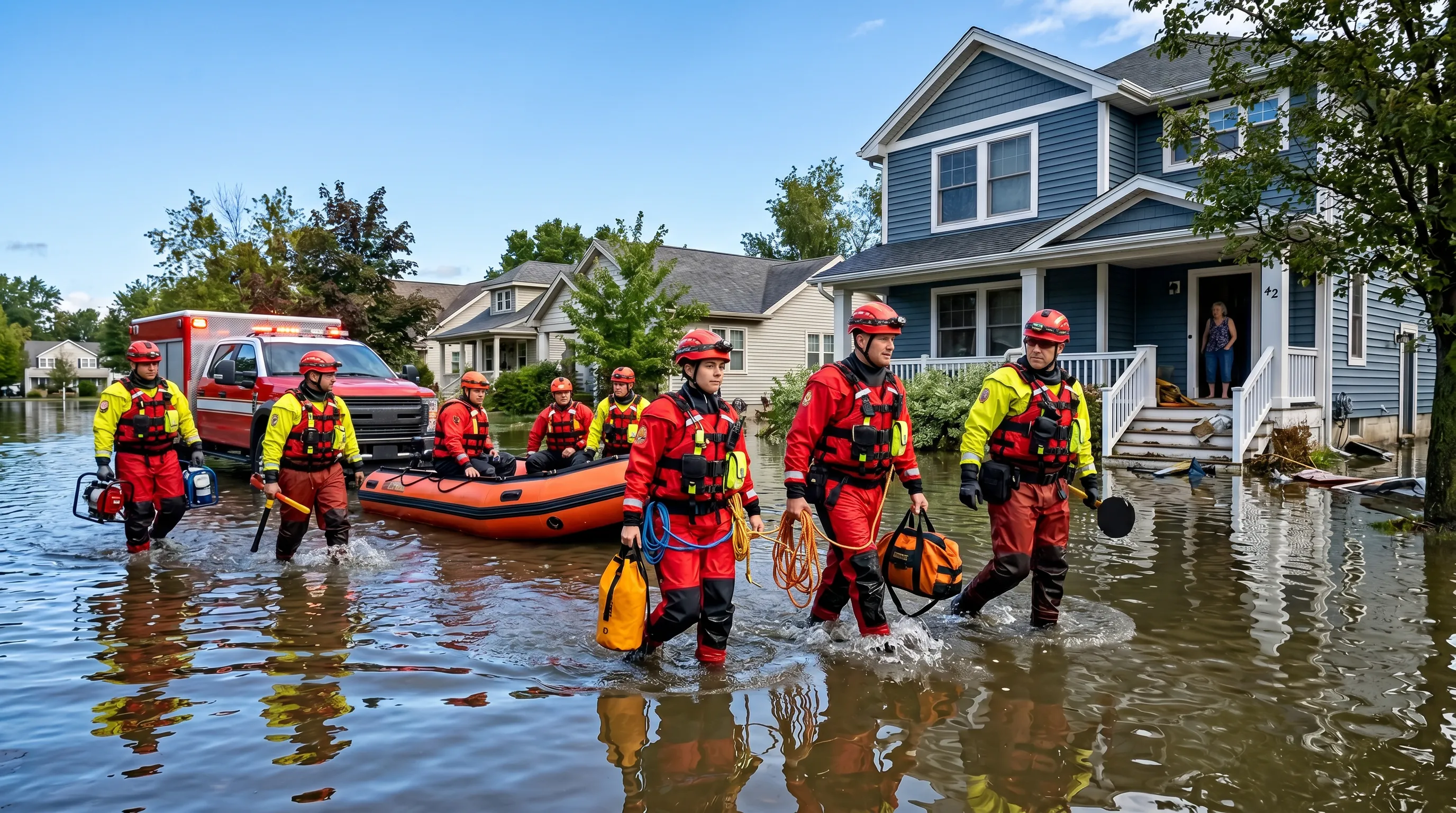
Water Damage Restoration professionals serving Houston, TX
Key Takeaways
•Houston has 20 listed water damage restoration professionals with an exceptional average rating of 4.9 out of 5 stars, giving homeowners and businesses a deep bench of high-quality options to choose from.
•Five companies have achieved a perfect 5.0-star rating, including Voda Cleaning & Restoration of Houston with the highest review volume at 255 reviews, and 1800 Water Damage Houston with 142 reviews — both signals of consistent, sustained performance.
•Typical restoration costs in Houston range from $1,200 to $5,600, but the city's chronic flooding exposure, high humidity, and hurricane season (June–November) can push costs toward the higher end due to secondary mold risk and structural saturation.
•95% of listed Houston restoration businesses offer direct phone contact, meaning rapid response is genuinely accessible — critical in a city where standing water and mold colonization can begin within 24 to 48 hours in the subtropical heat.
•IICRC certification is the single most important credential to demand from any restoration contractor in Houston — it ensures technicians follow established science-based drying protocols designed for high-humidity environments exactly like the Gulf Coast.
Water Damage Restoration in Houston: What You Need to Know
Houston is one of the most flood-prone major cities in the United States, and that is not an overstatement. With a hot and humid subtropical climate, more than 2.3 million residents, and a flat topography that gives stormwater nowhere to drain quickly, the city has experienced multiple catastrophic flood events in recent decades. Harvey in 2017 inundated more than 150,000 structures. Imelda in 2019 pounded the eastern metro with 40-plus inches of rain. The reality for Houston homeowners and commercial property owners is not whether water damage will occur — it is when, and how prepared you are when it does. Having 20 listed restoration professionals in the Houston market, averaging 4.9 stars, means residents have access to genuinely capable help. But knowing how to evaluate those options before an emergency is what separates a manageable recovery from a prolonged, costly ordeal.
The subtropical climate creates a secondary threat that many property owners underestimate: mold. Houston's average relative humidity hovers around 75%, and interior temperatures during summer routinely exceed 90°F when HVAC systems are compromised by flooding. Under these conditions, mold colonies can establish themselves on wet drywall and subfloor materials within 24 to 48 hours of water intrusion. This means the speed of your restoration contractor's response is not a convenience factor — it is directly tied to the scope and cost of your final repair bill. The industry standard for response time is 60 minutes or less, and in Houston's context, that benchmark exists for very good reason. Every hour of delay in a 90-degree structure with standing water accelerates microbial growth and deepens structural saturation. The best restoration companies in Houston understand this and staff accordingly, including through hurricane season surge periods when call volumes spike dramatically.
It is also worth understanding that water damage restoration is a regulated, credential-driven industry. The Institute of Inspection, Cleaning and Restoration Certification — universally known as the IICRC — sets the technical standards that govern how water extraction, structural drying, and dehumidification should be performed. In a city like Houston, where the ambient outdoor moisture content actively works against indoor drying efforts, contractors who do not follow IICRC S500 standards (the Standard for Professional Water Damage Restoration) will frequently leave hidden moisture in wall cavities and under flooring that leads to mold problems weeks after they leave your property. Demanding IICRC certification is not a premium request — it is the baseline expectation every Houston property owner should hold.
Houston Insider Tip: Because the city sits in Harris County's Flood Damage Prevention Ordinance zone and many neighborhoods fall within FEMA-designated Special Flood Hazard Areas, always ask your restoration contractor to document moisture readings with calibrated equipment at project start and project completion. This documentation is not just good practice — it is often required evidence if you file a National Flood Insurance Program (NFIP) claim or dispute a homeowner's insurance settlement. Top-rated Houston contractors will provide this as a standard deliverable. If a contractor does not offer it, ask explicitly.
How Much Does Water Damage Restoration Cost in Houston?
In Houston, water damage restoration typically costs between $1,200 and $5,600 for residential projects, though complex cases — particularly those involving Category 3 floodwater (sewage or open floodwater contamination), multi-story structures, or secondary mold remediation — can extend well beyond that range. Several local factors push Houston costs toward the higher end of national averages. First, the city's flat drainage infrastructure means flood events are often area-wide, which creates surge pricing pressure during major storm events as demand for equipment and labor spikes simultaneously across the metro. Second, the subtropical humidity means restoration contractors must run commercial dehumidifiers longer than they would in drier climates to achieve target dryness standards — equipment rental days add up. Third, homes in flood-prone Houston neighborhoods frequently have pier-and-beam foundations or raised slab construction that creates difficult-to-dry crawl spaces, requiring specialized equipment and additional labor hours.
Understanding cost by service type helps you budget and evaluate quotes more accurately. Emergency water extraction is typically billed per square foot and forms the baseline of any project. Structural drying — the multi-day process of placing air movers and dehumidifiers to pull moisture from framing, drywall, and flooring — is often charged as a daily equipment rate plus technician monitoring visits. If mold remediation is required (a common complication in Houston's climate), that is typically scoped and priced as a separate line item with its own containment and air-quality testing protocols. Always request an itemized written estimate before work begins, and be cautious of any contractor who provides only a lump-sum quote with no breakdown.
Service
Low Estimate
High Estimate
Notes
Emergency Water Extraction
Low$300
High$900
Priced per square foot of affected area; surge pricing common during Houston hurricane season flooding events
Structural Drying & Dehumidification
Low$500
High$1,800
Multi-day equipment deployment; Houston's high ambient humidity typically extends drying timelines beyond national averages
Mold Remediation (Post-Flood)
Low$500
High$2,500
Highly variable based on affected surface area; critical add-on in Houston given 24–48 hour mold colonization window in subtropical heat
Full Restoration (Extraction + Drying + Repairs)
Low$1,200
High$5,600
Complete end-to-end project including drywall replacement, flooring, and finishing; cost scales sharply with flood category and square footage
Money-Saving Tip for Houston Homeowners: If your property sustained flood damage from a named storm or declared disaster event, check whether your area received a federal disaster declaration — FEMA Individual Assistance programs can offset out-of-pocket restoration costs that fall below your insurance deductible. Additionally, document every step of the restoration process with time-stamped photos before any materials are removed. Houston insurance adjusters routinely request this evidence, and having it can prevent your claim from being underpaid. Some top-rated Houston restoration firms will assist with insurance documentation as part of their service — ask about this upfront before signing a contract.
How to Choose the Right Water Damage Restoration in Houston
5 Questions to Ask Before Hiring
Are your technicians IICRC-certified, and can you provide documentation? The right answer is an immediate yes with a willingness to show certificates. IICRC certification (specifically the Water Damage Restoration Technician, or WRT credential) means your technicians have been trained in science-based drying protocols validated for high-humidity environments like Houston's Gulf Coast climate. Any hesitation or vague response is a disqualifier.
What is your guaranteed response time, and do you offer 24/7 emergency service? The right answer is 60 minutes or less with true around-the-clock availability. In Houston's summer heat, every additional hour of water contact accelerates both structural damage and mold risk. A contractor who only operates business hours or quotes 3–4 hour arrival windows is not equipped for genuine emergency response.
Will you provide a written, itemized estimate before work begins — and do you work directly with my insurance carrier? The right answer is yes to both. Itemized estimates protect you from scope creep and billing surprises. Insurance coordination experience is especially valuable in Houston, where flood and wind claims are common and adjusters are accustomed to working with restoration contractors who understand the documentation requirements of NFIP and private flood policies.
What moisture measurement equipment do you use, and will you provide readings at project start and completion? The right answer is that they use calibrated moisture meters and thermal imaging cameras, and that they document baseline and final readings in writing. This is non-negotiable in Houston — hidden moisture left in wall cavities or under flooring in a subtropical climate will produce mold within weeks. Documentation also protects you legally if disputes arise later.
Can you provide references from previous Houston flood or storm-related restoration projects? The right answer is yes, with references available promptly. Experience with Houston-specific flooding scenarios — slab leaks, street flooding intrusion, hurricane-driven wind-driven rain — is meaningfully different from general water damage work. A contractor who has navigated Harris County's particular drainage and construction patterns brings practical knowledge that directly reduces the likelihood of callbacks or missed moisture.
Red Flags When Hiring Water Damage Restoration in Houston
Watch for These Red Flags Before Signing Any Contract in Houston:
Storm Chasers with No Local Presence: After major Houston flood events, out-of-state contractors flood the market. If a company cannot provide a verifiable local Houston address, local phone number, and local references, walk away. These operations often disappear before the job is complete or before mold problems surface weeks later.
Pressure to Sign Immediately Without a Written Estimate: Legitimate restoration companies understand the urgency of water damage but will always provide a written scope of work before beginning. Any contractor demanding you sign a blank authorization or a contract with undefined scope in exchange for 'getting started right away' is a serious warning sign.
No Mention of IICRC Certification or Industry Credentials: In Houston's climate, uncredentialed drying work frequently results in mold callbacks. If a contractor cannot explain what drying standard they follow or dismisses certification as unnecessary, their work is not trustworthy.
Unusually Low Bids That Do Not Account for Equipment Time: Houston's humidity means structural drying takes longer than in drier markets. A bid that seems dramatically lower than others often reflects a contractor planning to pull equipment too early — leaving moisture behind that becomes your problem, not theirs.
Demands for Full Payment Upfront: Reputable Houston restoration companies typically work on a progress-payment or insurance-billing model. A demand for full cash payment before work begins, especially in the immediate aftermath of a storm event, is a hallmark of predatory operators.
Top-Rated Water Damage Restoration in Houston
Among the 20 listed water damage restoration professionals in Houston, five companies have achieved a perfect 5.0-star rating — a meaningful distinction in a market where the overall average is already an exceptional 4.9 stars. What separates these five from the broader field is not just their ratings but the review volume backing those ratings, which provides confidence that the scores reflect consistent performance rather than a small sample of favorable responses.
Voda Cleaning & Restoration of Houston leads all listed Houston companies in review volume with 255 ratings at a perfect 5.0 stars, making it the most review-substantiated top-rated option in the market. This kind of volume at a perfect score is statistically rare and indicates sustained operational excellence across a wide range of project types and customer interactions. For Houston homeowners who want the highest-confidence choice based on community feedback, Voda's combination of rating and volume is hard to argue with.
1800 Water Damage Houston brings 142 reviews at 5.0 stars, and the national brand infrastructure behind the 1800 Water Damage network often means access to larger equipment fleets and standardized IICRC-aligned protocols — an advantage during Houston's major storm events when equipment availability becomes a bottleneck across the metro. DryMore rounds out the high-volume perfect-rating tier with 138 reviews at 5.0 stars, suggesting a well-established local operation with a proven track record.
Houston Water Damage Restoration holds a 5.0-star rating across 23 reviews, making it the top-rated company by name in this directory and a strong choice for those seeking a locally focused operation. BAM Houston Water Damage Restorations also holds a 5.0-star rating with 10 reviews — a newer or smaller-volume operation whose perfect score warrants consideration, particularly for homeowners who prioritize personalized service from a smaller team. When evaluating these options, use the comparison table below alongside the credentialing questions outlined earlier in this guide to match the right contractor to your specific situation.
Company
Rating
Reviews
Best For
Houston Water Damage Restoration
5.0★
23
Homeowners seeking a top-rated locally named Houston operation with a perfect score; ideal for straightforward residential flood and leak response
1800 Water Damage Houston
5.0★
142
Properties needing large-scale equipment capacity during Houston storm surge events; national network infrastructure with strong local review backing
Voda Cleaning & Restoration of Houston
5.0★
255
Highest-volume perfect-rated company in Houston; best choice for homeowners who want maximum community-validated confidence in consistent service quality
BAM Houston Water Damage Restorations
5.0★
10
Clients seeking a smaller, attentive operation with a perfect rating; well-suited for those who value direct contractor relationships and personalized project management
DryMore
5.0★
138
Established Houston-area operation with strong review volume at a perfect rating; solid choice for both residential and light commercial water damage projects
Seasonal Guide for Houston Water Damage Restoration
Houston's water damage risk is not evenly distributed across the calendar year — it follows a distinct seasonal pattern that every property owner in the metro should understand before an emergency occurs. Planning your contractor relationships and preparedness steps around this calendar is one of the most practical things a Houston homeowner can do.
June through November is hurricane season, and for Houston, this is unambiguously the highest-risk window for catastrophic water damage. The Gulf of Mexico's warm surface temperatures during these months fuel intense storm systems capable of dropping historic rainfall totals across the metro in a matter of hours. The period from August through October historically sees the highest storm activity. During major events, restoration contractors across the Houston metro become overwhelmed simultaneously — equipment is deployed, crews are stretched, and response times extend. The most important thing you can do before June 1 each year is establish a relationship with a top-rated restoration company before you need one. Ask them directly: what is your surge capacity plan during a major storm event? How do you prioritize existing clients versus new callers? The best companies have answers to these questions.
December through February brings a different risk that Houston residents sometimes underestimate: pipe freezes. While Houston's winters are mild by national standards, the city periodically experiences hard freezes — the February 2021 winter storm event caused catastrophic pipe burst damage across hundreds of thousands of Houston properties. Many Houston homes have supply lines routed through unconditioned attic spaces or exterior walls without adequate insulation, making them vulnerable to rapid freeze-thaw events. During freeze events, the same surge-demand dynamic as hurricanes applies: every restoration company in the city gets called simultaneously. If you live in a home with older plumbing or known uninsulated pipe runs in the attic, identify your shut-off valve location now and keep your restoration contractor's number readily accessible.
March through May represents Houston's spring flooding season, driven by the intersection of Gulf moisture and frontal systems that produce slow-moving heavy rain events capable of overwhelming the city's bayou drainage system. Neighborhoods adjacent to Brays, White Oak, Greens, and Buffalo Bayou face the highest exposure during this period. If your property is in or near a bayou floodplain, spring is the time to inspect your interior drainage systems, sump pumps, and foundation sealing before the rainy season peaks. It is also the optimal time — between winter and the full onset of hurricane season — to schedule any preventive inspections with a restoration contractor while their crews are at normal workload levels and you can get their full attention.
Year-round, Houston's baseline humidity creates an ongoing low-level risk from slow leaks — plumbing supply line failures, HVAC condensate line clogs, water heater tank failures — that can go undetected for days in the humid environment where moisture does not behave with the obvious visual cues it might in a drier climate. Thermal imaging inspections, offered by several top-rated Houston restoration companies, can identify hidden moisture accumulation behind walls before it becomes a mold crisis. Annual inspections are a reasonable investment for Houston homeowners, particularly in homes more than 20 years old.
Frequently Asked Questions
How quickly does water damage become a mold problem in Houston?
In Houston's subtropical climate, mold colonization can begin on wet porous materials — drywall, wood framing, carpet padding — within 24 to 48 hours of water intrusion, particularly during summer months when indoor temperatures in a compromised structure can exceed 85°F. This timeline is meaningfully faster than in cooler or drier climates, which is precisely why the 60-minute-or-less response time standard exists and why it matters more in Houston than in most U.S. cities. If your structure has been wet for more than 48 hours before a contractor arrives, insist that they perform a mold assessment as part of the initial inspection rather than treating it as a secondary concern.
Does homeowner's insurance cover flood damage from Houston storms?
Standard homeowner's insurance policies explicitly exclude flood damage — meaning water that enters a structure from the ground up as a result of storm surge, overflowing bayous, or street flooding. In Houston, flood coverage requires a separate flood insurance policy, typically through FEMA's National Flood Insurance Program (NFIP) or a private flood insurer. However, sudden and accidental water damage from internal sources — a burst pipe, a failed water heater, or a washing machine supply line failure — is generally covered under standard homeowner's policies. This distinction is critical: when you call your restoration contractor, they should ask about the source of water intrusion immediately, because it determines how your claim is structured and which insurer leads the recovery process.
Find Water Damage Restoration Professionals in Houston
Browse top-rated contractors, compare reviews, and get free quotes.
What does IICRC certification actually mean, and why does it matter specifically in Houston?
The IICRC (Institute of Inspection, Cleaning and Restoration Certification) is the internationally recognized standard-setting body for the restoration industry. IICRC-certified technicians have completed training and testing in the science of drying — understanding psychrometrics (the relationship between air temperature, humidity, and moisture vapor), proper equipment placement, and how to set measurable drying goals based on the specific materials in a structure. In Houston, this matters more than in most markets because the outdoor dew point during summer routinely exceeds 70°F, meaning uncertified contractors who simply open windows and run fans are actively fighting thermodynamics — outdoor air in Houston summer will add moisture to a wet structure, not remove it. IICRC-trained technicians understand this and use closed-system drying with dehumidifiers calibrated to overcome the ambient conditions.
How long does a typical water damage restoration project take in Houston?
A standard residential water damage restoration project in Houston — involving water extraction, structural drying, and basic material replacement — typically takes between 3 and 7 days for the drying phase alone, followed by additional time for reconstruction work such as drywall replacement, flooring installation, and painting. Houston's humidity extends the drying phase compared to national averages; what might dry in 3 days in an arid climate may require 5 to 7 days in a Houston summer. Complex projects involving Category 3 contaminated water (sewage or floodwater), multi-room damage, or required mold remediation can extend total project timelines to several weeks. Always ask your contractor for a day-by-day drying plan with target moisture content readings — this gives you a science-based timeline rather than a vague estimate.
Should I try to dry out my home myself before calling a restoration company?
In Houston's climate, amateur drying attempts almost always make the problem more expensive to resolve, not less. The most common mistake is running residential fans and opening windows in summer — this introduces high-humidity outdoor air that actively raises the moisture content of structural materials. Additionally, homeowners who use shop vacuums to extract standing water rarely remove more than a fraction of the moisture absorbed by flooring underlayment, subfloor sheathing, and wall cavities, leaving hidden saturation that produces mold within days. There are two things you should do immediately while waiting for a professional: stop the source of water intrusion if possible (shut off the main water supply, for example), and document everything with photos and video for your insurance claim. Beyond that, wait for a certified professional with commercial extraction and drying equipment. The $1,200–$5,600 cost range for professional restoration almost always represents better value than the mold remediation and structural repair costs that follow inadequate self-treatment.